

Why Your Home Gets Green Algae Faster Than Your Neighbor's
Your neighbor’s house stays clean year after year. Yours seems to go green every single season, no matter what you do. There is actually a real explanation for that, and it usually comes down to a handful of things specific to your property.
This post covers what causes algae to grow on some homes faster than others, what it does to your siding if you ignore it, and how to get rid of it properly so it does not come back in a few weeks.
What Is the Green Stuff on Your Siding?
The green or greenish-black film you are seeing is almost always a mix of algae, mold, and mildew. The most common one is a strain called Gloeocapsa magma, which feeds on moisture and organic debris that collects on exterior surfaces. In Northern Indiana, where summers are humid and mature trees are common, it finds plenty of both.
It is not a major health concern in most cases, but it does hold moisture against your walls and works into siding material over time. Left long enough, it causes real damage.
Why Your Home Gets It Worse Than Your Neighbor's
Which Way Your Home Faces
The north side of a house almost always develops algae faster than any other wall. It gets the least direct sunlight during the day, which means it stays damp much longer after rain or morning dew. Algae needs moisture to survive, so walls that dry out slowly are exactly where it takes hold first.
If the green is worse on one side of your home than the other, the direction it faces is likely the main reason.
How Much Shade Your Property Has
A yard with fewer trees means more sunlight hitting the siding throughout the day, which means surfaces dry out faster. If your home sits under a canopy of mature trees for most of the day, those walls stay cool and damp long after it rains. On top of that, falling leaves, pollen, and seed pods collect against the siding and give algae and mold something to feed on as they break down.
More shade almost always means faster algae growth, which is why two nearly identical homes can look completely different by mid-summer.
Water and Drainage Around Your Foundation
Moisture does not only come from rain hitting the walls directly. If water pools near your foundation after a storm, or if your gutters overflow and send runoff down the side of the house, that dampness sits at the base of your siding for hours or days at a time. That consistent moisture at ground level creates ideal conditions for algae to start growing and spread upward.
Your Siding Material
Vinyl siding has a textured surface that traps dust, pollen, and debris in its grooves. When that sits wet after rain, it becomes a growing surface. Wood siding absorbs moisture directly into the material, which makes it even more susceptible. Fiber cement tends to hold up a bit better, but no exterior material in a humid Midwest climate is completely immune.
How Long Since the Exterior Was Last Cleaned
Older siding that has not been maintained loses its surface finish over time and becomes more porous. More porous means it holds moisture longer, and the longer moisture sits, the faster growth builds up. Homes that get cleaned regularly simply do not give algae the same opportunity to establish itself year after year.
Does Algae Actually Damage Your Home?
Yes, over time it does.
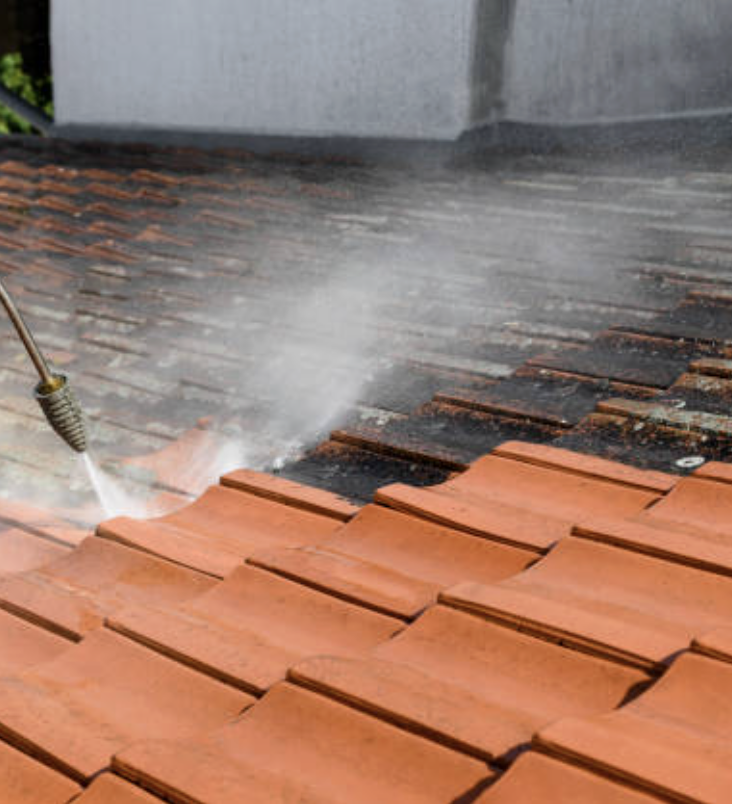
Algae and mold are not just sitting on the surface. They trap moisture against the wall, which accelerates wear on the material underneath. On wood siding that leads to rot. On vinyl it breaks down the finish and makes the material more brittle than it should be. On painted surfaces, it causes peeling that leaves the material underneath exposed.
The longer it stays, the harder it is to remove and the more likely it is that the surface has been affected beneath what you can see.
Why Pressure Washing Alone Does Not Fix It
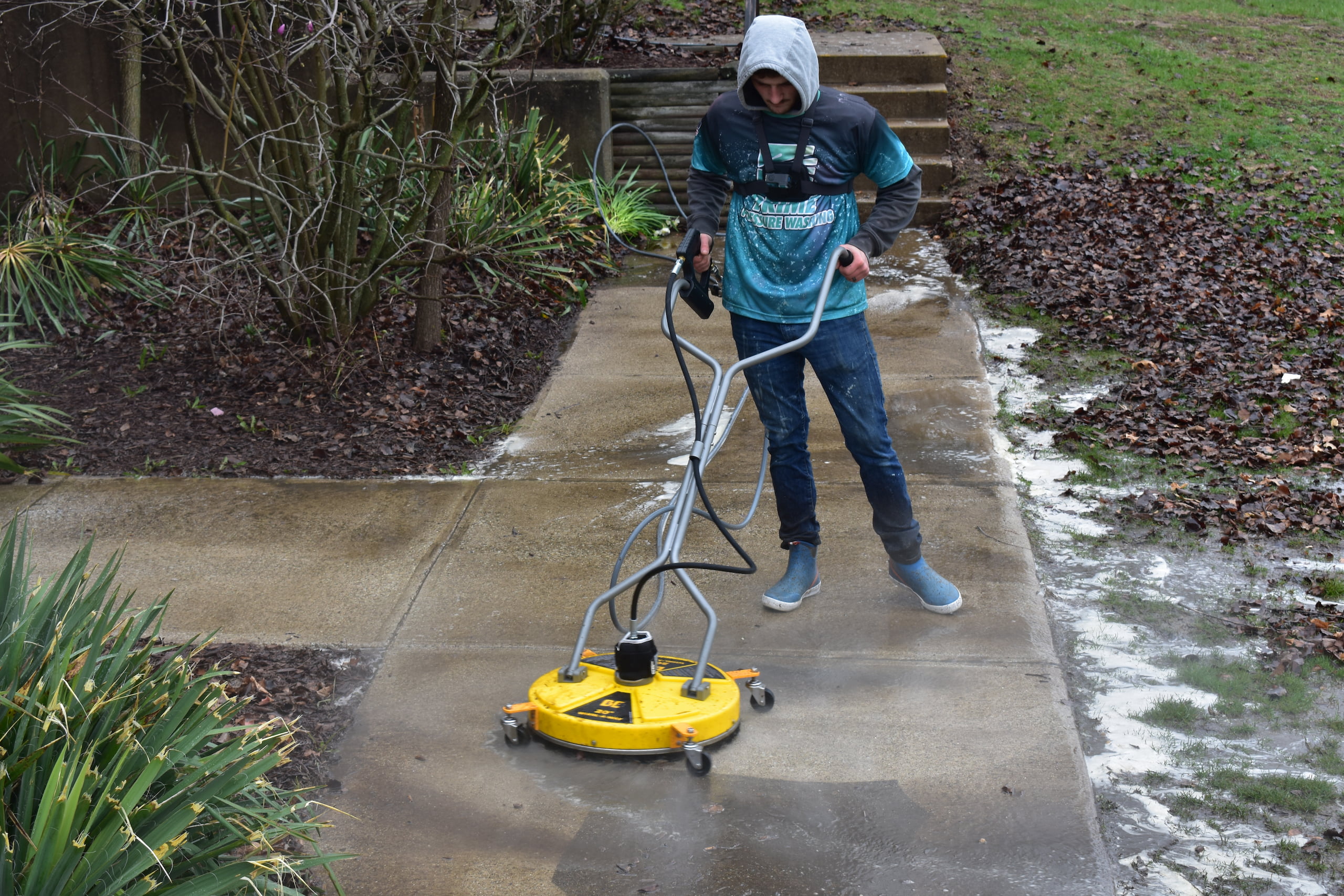
Most homeowners reach for a pressure washer first. The green disappears and the house looks clean. The problem is pressure washing only removes what is on the surface. The algae root system stays embedded in the siding, and within a few weeks the growth is back.
Soft washing works differently. It uses low water pressure with a professional cleaning solution that kills algae, mold, and mildew at the root, not just at the surface. The solution breaks down the organic material completely, so the results last significantly longer than what a pressure washer achieves on its own.
For homes in Plymouth, South Bend, Mishawaka, Warsaw, Elkhart, Culver, and surrounding Northern Indiana communities, soft washing is the cleaning method that actually solves the problem rather than just delaying it.
How to Slow Algae Growth Between Cleanings
A professional soft wash takes care of what is already there. A few simple things help keep it from coming back as fast:
Trim back branches and shrubs that keep large sections of your siding in shade throughout the day. Even a modest reduction in shade coverage makes a real difference in how quickly growth returns.
Keep your gutters clear so water is directed away from the foundation rather than overflowing down the walls. Blocked gutters are one of the most common reasons algae keeps returning at the base of a home’s siding.
Check that your downspouts extend far enough from the house to prevent water from pooling near the foundation.
For most Northern Indiana homes, a professional exterior cleaning once a year is enough to stay ahead of it. Homes with heavy shade or persistent north-facing wall issues may do better on a six to nine month schedule.
Get Rid of It Properly with Prime & Shine
If your home keeps going green season after season, a surface clean is not going to solve it. Prime & Shine uses soft washing on every house washing job across Northern Indiana, with a method that kills algae at the source and keeps siding cleaner for longer. The team is fully insured, BBB Accredited with an A+ rating, and knows exactly what drives algae growth in this climate.
Call 574-780-8371 or request a quote online and the team will take a look at what is going on with your home specifically.
Common questions
Frequently Asked Questions About Exterior Cleaning Before Selling a Home
01 Why does algae grow on the north side of my house more than anywhere else?
02 Can I remove green algae from siding myself?
03 Is green algae on siding actually harmful?
04 How often should I have my home soft washed?
05 Is soft washing safe for all types of siding?
Still have questions? Our team is happy to help.
Search
Recent Posts
