

Why Canadian Wildfire Smoke Is Coating Indiana Homes in Dust
If your siding, windows, or patio furniture have been collecting a strange haze lately, you are not imagining it. Since mid-July, smoke from more than 800 wildfires burning across Canada, along with active fires in Minnesota’s Superior National Forest, has been drifting south into the Midwest.
Indiana has been directly in that path, and homeowners across the state are noticing the effects on their homes.
This post explains what is actually happening, why it is leaving extra dust and grime on exterior surfaces, and what to do about it.
What Is Actually Happening Right Now
Hundreds of wildfires are currently burning across Canada, with large clusters concentrated in Ontario near the Minnesota border. At the same time, more than 20 fires are burning in and around Minnesota’s Superior National Forest.
A prolonged heat wave across North America has been trapping the smoke close to the ground and carrying it south through the Midwest, including into Indiana.
According to NASA’s Earth Observatory, satellite tracking has shown the smoke plume drifting steadily across the region throughout mid to late July, carried by shifting wind patterns that pushed it from the Upper Midwest down through Illinois, Indiana, and beyond. You can see the full satellite tracking of the event on NASA’s Earth Observatory.
Air quality alerts have been issued across multiple Midwest states as a result, and more than 100 million people nationwide have been affected by the smoke at some point during this event.
Meteorologists have noted that some of the fires driving this could continue burning for weeks, with the Minnesota and Ontario fires potentially lasting into the fall until the first snowfall.
Why This Means More Dust on Your Home
What's In the Smoke
The particles carried in wildfire smoke are extremely small, often smaller than a human hair. That is part of why they travel hundreds of miles from the source fires and still cause noticeable buildup on surfaces far from where the fires are actually burning.
As the smoke settles, it leaves behind a thin film of soot and ash that mixes with existing dust, pollen, and grime already on your home’s exterior.
Why It Builds Up Faster Than Normal Dust
Under normal conditions, dust accumulates gradually from everyday sources like dry soil, pollen, and airborne debris. A wildfire smoke event adds a concentrated layer of fine particulate on top of that in a much shorter window of time.
Homeowners in Indiana are seeing buildup that would typically take weeks or months happen in a matter of days during periods of heavy smoke.
Where You'll Notice It Most
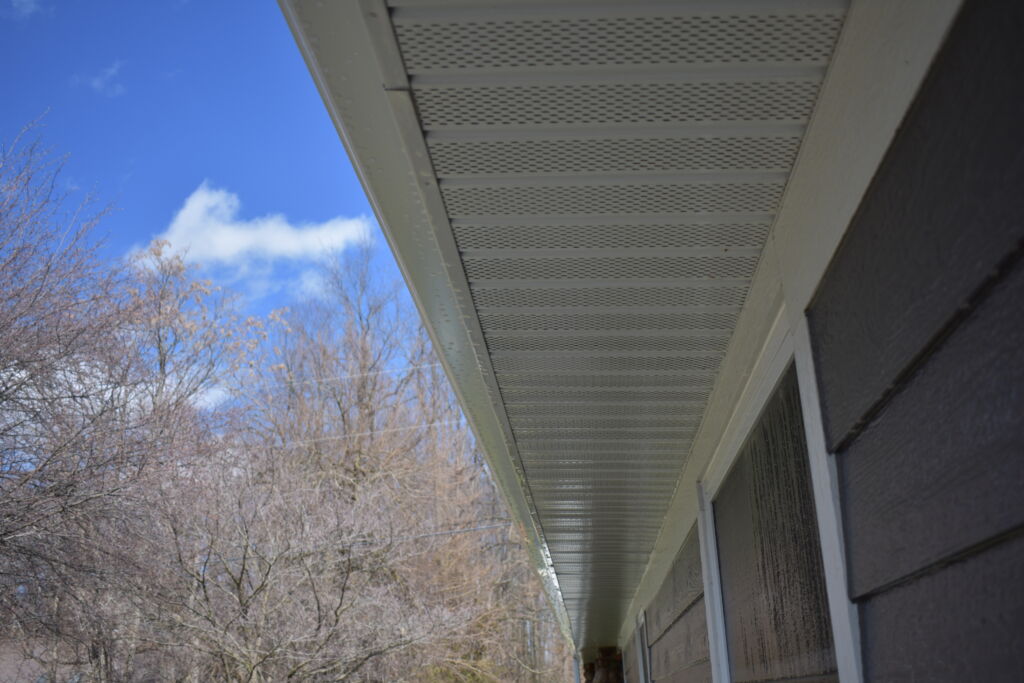
Light colored siding tends to show the buildup fastest, since soot and ash create a visible dulling or gray tint against white or cream exterior surfaces. Windows often develop a hazy film that is harder to see through, especially in direct sunlight.
Roofs and gutters collect a layer of fine debris that can mix with existing algae or moisture and become harder to remove the longer it sits.
Does This Kind of Dust Cause Any Real Damage?
In small amounts, it is mostly cosmetic. But left to sit for an extended period, especially combined with rain or humidity, the fine particulate in wildfire soot can become sticky and harder to remove with a simple rinse. It can also settle into the same grooves and textures where mold and algae already tend to grow, giving those organisms extra material to feed on.
For homes with solar panels, this buildup has a more direct impact. A layer of ash and soot on panel surfaces reduces how much sunlight reaches the cells, which can measurably lower energy output until the panels are cleaned.
What You Can Do About It
A simple garden hose rinse can help with light surface dust, but it will not fully remove the fine soot particles that have settled into siding textures, window screens, or roofing material. For a more complete clean, professional exterior washing is the most effective option.
Soft washing is particularly effective here because it uses a cleaning solution alongside low water pressure to lift ash and soot out of textured surfaces rather than just pushing it around.
For windows, professional cleaning removes the hazy film that a standard wipe down often misses, especially around the edges and corners where fine particulate tends to collect.
If your home has solar panels, getting them cleaned during a period like this can make a real difference in how much energy they are producing.

Keep Your Indiana Home Clean Through Wildfire Season
With fire activity in Canada and Minnesota expected to continue for weeks, Northern Indiana homes may keep seeing this extra layer of dust and haze settle on exterior surfaces periodically through the season.
Prime & Shine serves Plymouth, South Bend, Mishawaka, Warsaw, Elkhart, Culver, and surrounding communities, and can help get your home’s exterior back to normal, whether it is siding, windows, or solar panels affected.
Call 574-780-8371 or request a free quote online, and the team will take care of the rest.
Common questions
Frequently Asked Questions
01 Is the dust from Canadian wildfire smoke dangerous to touch or clean?
Handling it on exterior surfaces is not a direct health risk. The bigger concern with wildfire smoke is breathing it in, especially for people with respiratory conditions. If you are cleaning exterior surfaces during a smoke event, it is still a good idea to check current air quality levels before spending extended time outdoors.
02 How long will this wildfire smoke keep affecting Indiana?
Fire officials have noted that some of the fires in Minnesota and Ontario could continue burning for weeks, with parts potentially lasting into the fall. That means periods of smoke and additional dust settling on homes could continue on and off throughout the season depending on wind patterns.
03 Will a regular rinse with a garden hose fix the dust buildup?
A hose rinse helps with loose surface dust, but it will not fully remove fine soot and ash that has settled into siding textures, window screens, or roofing material. For a complete clean, professional exterior washing gets better and longer-lasting results.
04 Does wildfire ash affect solar panel performance?
Yes. A layer of ash or soot on solar panels blocks some sunlight from reaching the cells, which reduces energy output until the panels are cleaned. If you have solar panels, it is worth checking them during periods of heavy smoke.
05 How often should I have my home cleaned during a heavy smoke period?
There is no strict rule, but if you are noticing visible haze or a gray tint on light colored siding, that is a good sign it is time for a cleaning. Homes in areas seeing repeated smoke events may benefit from an extra cleaning beyond their normal annual schedule.
Still have questions? Our team is happy to help.
Search
Recent Posts
